Lambeth Council rules for street flower stalls explained
Posted on 27/09/2026
If you are thinking about setting up a street flower stall in Lambeth, the rules can feel a bit tangled at first. One moment you are picturing buckets of fresh blooms and a busy pavementside display; the next you are wondering about permissions, licences, trading conditions, and what the council will actually expect from you. Fair enough. That is exactly why this guide exists.
Lambeth Council rules for street flower stalls explained in plain English means understanding what you can sell, where you can sell it, what permissions may be needed, and how to stay on the right side of local regulations without losing your mind in the process. We will walk through the practical side too: setup, compliance, common mistakes, and what to check before you spend money on stock, signage, or a pitch that turns out to be unsuitable.
Truth be told, a flower stall can look simple from the outside. But in London, street trading is rarely just "put a table out and hope for the best." So let's make it clearer, step by step.
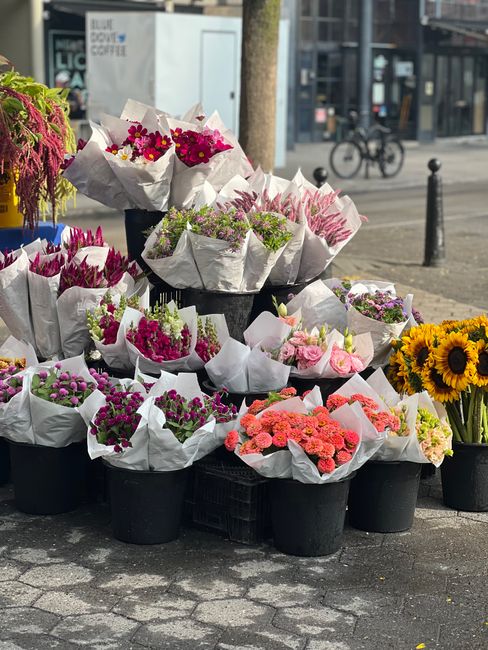
Why Lambeth Council rules for street flower stalls explained Matters
Street flower stalls can work beautifully in Lambeth because the area has a mix of busy high streets, transport links, local shopping parades, and people who appreciate a quick bunch of fresh flowers on the way home. But that same footfall also means tighter attention to public space, safety, and trading control. The council is not just being difficult for the sake of it. There are real reasons these rules exist.
First, a stall takes up shared space. Pavements need to stay safe and accessible, especially for wheelchair users, parents with buggies, older residents, delivery staff, and everyone else trying to get by without performing an awkward side-step around a bucket of tulips. Second, public trading affects nearby shops and residents. Third, the council has to keep an eye on waste, obstruction, noise, and visual impact. All very unromantic, but important.
Getting the rules wrong can cost you time and money. You might buy stock, set up displays, and then discover that the pitch is not approved, the trading activity is restricted, or you need permission you did not realise was required. That is the sort of mistake that hurts on a rainy Tuesday morning, when flowers are already delicate and time is not on your side.
Practical takeaway: if you want a flower stall to be viable in Lambeth, treat compliance as part of the business model, not a side issue. The legal bit is not glamorous, but it is what gives the rest of the business room to grow.
How Lambeth Council rules for street flower stalls explained Works
At a practical level, the process usually revolves around whether you are allowed to trade from the place you have chosen, whether street trading permission is needed, and what conditions apply to your setup. The exact route can depend on the location, the nature of the stall, and how the council classifies the activity. That is why it is always worth checking the details rather than assuming all flower stalls are treated the same.
Street trading rules in London often hinge on a few key questions:
- Is the pavement or road space approved for trading?
- Does the trading activity need a licence, consent, permit, or some other form of permission?
- Will the stall block access, cause nuisance, or interfere with existing uses?
- Are there conditions on operating hours, stall dimensions, cleanliness, or display layout?
For flower stalls, there are a few extra practicalities. Flowers need water, shelter, safe storage, and sensible handling. You may also have to think about waste packaging, wet surfaces, and how the stall looks at the end of the day. Nobody wants a lovely rose display sitting next to soggy cardboard and crushed cellophane. It just does not help.
You should also expect that enforcement is not theoretical. Councils can monitor trading spots and check whether operators are complying. In simple terms: the visible part of your business is also the most regulated part.
If you already run a broader floral business, it may help to think of your street stall as one channel within your overall setup. For example, some businesses pair local walk-up sales with other delivery options such as flower delivery in Lambeth SW9 or a broader shop presence through a local florist service. That flexibility can ease pressure if one channel is quieter than expected.
Key Benefits and Practical Advantages
When a street flower stall is set up properly, it can be a strong local business format. It is not just about selling bouquets. It is about convenience, impulse buying, and being visible where people already are.
Some of the main benefits are straightforward:
- Local visibility: people can see the product, smell the flowers, and buy on the spot.
- Fast turnover: flowers often sell well when displayed clearly and kept fresh.
- Low-friction purchasing: many customers prefer walking past, spotting something suitable, and buying without much planning.
- Community feel: a good stall can become part of the local rhythm of the street.
- Flexibility: the business can adapt its stock to seasons, occasions, and footfall patterns.
There is also a trust factor. A well-run flower stall often feels more personal than an anonymous checkout page. People like to ask a quick question, point to a colour, or choose between a compact posy and something a bit fuller. That human interaction matters more than some businesses realise.
And let's face it, flowers are emotional products. People buy them for apologies, birthdays, sympathy, anniversaries, celebrations, and those last-minute moments when you realise you forgot something important. A stall that is easy to access, neatly presented, and legally compliant has a better chance of capturing those urgent buys.
Who This Is For and When It Makes Sense
This topic is relevant for several types of people. Some are seasoned florists expanding into street trade. Others are small business owners testing the waters with a lower-cost format. A few are new entrepreneurs who have spotted a busy spot in Lambeth and are asking, reasonably enough, "Could this work for me?"
It makes sense if you are:
- a florist looking for extra footfall in a high-traffic area;
- an independent trader wanting to sell seasonal flowers or bouquets;
- a market-style seller looking to formalise a street-facing pitch;
- a business owner comparing permanent premises with a more flexible sales setup;
- someone wanting to offer flowers alongside gifts, cards, or event items.
It may not make sense if you have not yet checked the trading location, if your stock model depends on highly perishable inventory with no backup plan, or if you are hoping to avoid the administrative side completely. Street trading is not the place for guesswork. You can improvise your bouquet wrapping a little, sure, but not your compliance.
For businesses that also serve special occasions, it can help to think in ranges. For example, a stall might attract casual buyers looking for everyday bunches, while a broader online offer supports birthday flowers, wedding flowers, or sympathy arrangements through pages like birthday flowers in Lambeth SW9 and funeral flowers in Lambeth SW9. That mix can smooth out demand across the week.
Step-by-Step Guidance
If you are approaching Lambeth Council rules for a flower stall for the first time, keep the process structured. It reduces surprises and makes it easier to ask the right questions. A tidy plan tends to save money. Funny how that works.
- Identify the exact location. Not just the general area. The precise pavement or frontage matters, because permission can change street by street.
- Check whether the pitch is suitable for street trading. Look at pedestrian flow, nearby access points, visibility, loading options, and space for safe movement.
- Confirm what permission is needed. Different councils use different terms and processes, so avoid assumptions.
- Assess practical setup needs. Think about stands, buckets, coverings, signage, water storage, and weather protection.
- Build in waste and cleaning arrangements. Flower stalls create packaging waste and sometimes wet debris. You need a tidy exit plan, not just a pretty entrance.
- Prepare your pricing and stock mix. Keep options for everyday buyers and impulse purchases. A few different price points usually help.
- Keep records. Store permission documents, contact details, and any conditions in one place so you can find them quickly.
- Review and adjust. If footfall changes or conditions are harder than expected, adapt the layout, stock, or operating hours where possible.
A simple real-world example: imagine a seller arrives with a lovely seasonal display but no weather cover. By 11:30 am, the blooms still look good, but a passing shower has dampened the bags, the cardboard is starting to soften, and the corner near the curb is getting messy. The flowers are not the problem. The setup is. These details matter more than people expect.
In practical terms, your first week should be treated as a testing phase. Keep notes on what sells, what gets asked for, where people pause, and what creates friction. That kind of street-level feedback is incredibly useful.
Expert Tips for Better Results
Once the basics are covered, the real difference comes from how professionally the stall feels to customers and inspectors alike. Small improvements often have a bigger effect than a flashy display. In our experience, calm and tidy wins more often than over-complicated.
Make the stall easy to understand in three seconds
People are moving quickly. They should instantly see what you sell, what the price range is, and where they should stand to buy. Clear labels help. So does a tidy front row of stock.
Keep the display practical, not just decorative
Yes, flowers should look beautiful. But they also need to be reachable, stable, and protected from wind and heat. A display that topples every time someone brushes past is a headache waiting to happen.
Plan for the weather like a Londoner
One minute it is grey and breezy, the next the sun is out and the pavement feels strangely warm. A flower stall should be ready for both. Shade, water access, and secure containers are not optional extras.
Price for easy decisions
A few neat price points reduce hesitation. Customers often buy faster when they can choose between, say, a small, medium, and premium option rather than facing too many similar bundles.
Use your mix wisely
If you also sell broader floral ranges, think about which products are best suited to spontaneous purchase. Everyday flowers, simple mixed bouquets, and seasonal stems often work better on a street stall than highly bespoke products.
For ideas on presentation and product variety, it can be useful to look at the style of product groupings on a florist site, such as best sellers or florist choice. You are not copying the online model exactly, of course. But the logic behind clear, popular options is useful anywhere.
Common Mistakes to Avoid
Street flower stalls tend to fail for boring reasons, not dramatic ones. That is actually good news, because boring mistakes are easier to fix.
- Assuming the pitch is automatically fine. It might look available, but that does not mean it is approved for trading.
- Ignoring access issues. A stall can be beautiful and still be a problem if it narrows the pavement too much.
- Overbuying stock. Flowers age. Overstock can quickly become lost margin.
- Underestimating waste management. Wet packaging and trimmings need a proper routine.
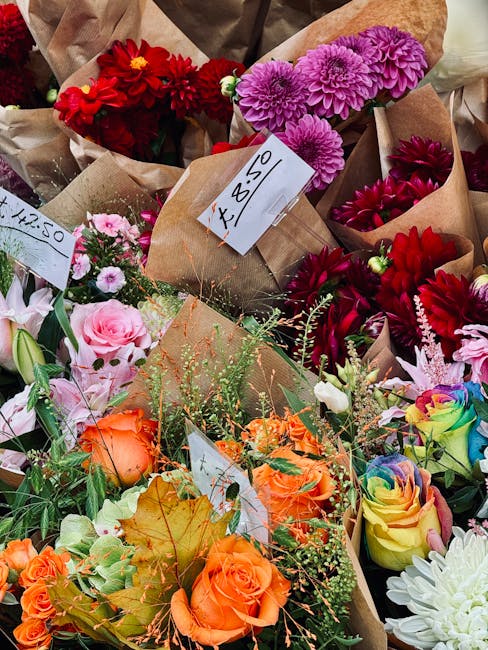
- Using unclear signage. If people cannot tell what you are selling or what it costs, they keep walking.
- Leaving compliance until after launch. This is the classic "we'll sort it later" mistake. Later often arrives with a problem attached.
- Not checking weather resilience. Windy corners and light displays are not always friends.
One slightly sneaky mistake is thinking that a nice-looking setup automatically means a good trading setup. Not quite. A stall can look charming for ten minutes and still be awkward for twenty practical reasons. That is why experienced traders often think like operators first and decorators second. A bit less dreamy, maybe, but much more sustainable.
Another common issue is not matching the offering to the location. A high-footfall commuter area may favour quick, affordable bunches. A quieter residential spot might suit pre-ordered arrangements, seasonal gifts, or a carefully selected premium display. You need to read the street, not just the spreadsheet.
Tools, Resources and Recommendations
You do not need a huge setup to run a sensible flower stall, but the right tools make all the difference. Think robust rather than fancy.
| Item | Why it helps | Practical note |
|---|---|---|
| Sturdy display buckets or containers | Keep stems upright and presentable | Choose stable bases so they do not tip in passing traffic |
| Weather cover | Protects stock from rain or strong sun | Particularly useful on exposed streets |
| Clear price signage | Speeds up buying decisions | Readable from a short distance is best |
| Waste bags and cleaning kit | Keeps the site tidy | Very important at closing time |
| Simple stock log | Tracks what sold and what did not | Can be a notebook, spreadsheet, or mobile note |
| Basic payment system | Helps customers buy quickly | Card payments are often expected now |
If you are building a wider business around the stall, a few website pages can help support your offer and reduce pressure on walk-up sales. Delivery-focused pages such as same day flower delivery in Lambeth SW9 and next day flower delivery in Lambeth SW9 can be useful complements when customers need speed but not a street-side purchase.
It is also worth having a simple operating file with permission copies, supplier contacts, product notes, and a list of nearby collection or delivery constraints. Nothing fancy. Just enough to stop you hunting for information while customers are waiting.
Law, Compliance, Standards, or Best Practice
Because this topic involves street trading, the compliance side matters. The safest approach is to treat council rules as a local regulatory framework rather than a casual guideline. Exact requirements can vary by location and may change over time, so always verify current expectations before trading.
In general, the following areas tend to matter:
- Street trading permission: whether the location and activity require formal authorisation.
- Public access: keeping pavements and entrances clear.
- Nuisance control: reducing mess, obstruction, noise, and avoidable disruption.
- Health and safety: secure displays, safe handling, and sensible site management.
- Consumer clarity: prices and product descriptions should be easy to understand.
- Waste handling: flowers, packaging, and water should be managed responsibly.
Best practice is often simple. Keep your stall neat. Keep pathways clear. Keep documents to hand. Keep your setup realistic for the site. If your display is likely to blow over on a gusty afternoon, it needs redesigning, not optimism. That little bit of caution saves embarrassment later, which is always nicer.
For a flower business more generally, good commercial standards also include reliable order handling, fair payment practices, and transparent customer policies. Pages such as terms and conditions, delivery, and returns and refund show the kind of clarity customers often expect when buying flowers in a more formal setting. The principle is the same on the street: people want to know what they are getting and what happens if something goes wrong.
If your business is growing, it may also be useful to align the stall with broader operational standards such as clear customer communication, accessible service information, and consistent presentation. That may sound basic, because it is. Basic done well is underrated.
Options, Methods, or Comparison Table
If you are deciding how to trade flowers in Lambeth, it can help to compare the main approaches side by side. A street stall is only one option, even if it is the most visible one.
| Option | Best for | Strengths | Watch-outs |
|---|---|---|---|
| Street flower stall | Impulsive local purchases and high visibility | Immediate footfall, tactile selling, strong local presence | Needs careful compliance, weather planning, and waste control |
| Shopfront florist | Broader daily trade and repeat custom | More control, easier storage, stronger branding | Higher overheads and fixed location costs |
| Delivery-led model | Customers who want convenience and timing | Wider reach, flexible order flow, less dependence on a pitch | Requires reliable fulfilment and service management |
| Hybrid model | Businesses wanting flexibility | Spreads risk across channels and occasions | More moving parts to manage |
For many small businesses, a hybrid setup is the smartest route. You keep the street stall for visibility and impulse sales, but you also support it with online or telephone orders. That way, if the weather turns ugly or the footfall is patchy, you are not left staring at a half-full bucket and wondering where everybody went.
Case Study or Real-World Example
Let's imagine a small florist planning to open a weekday street stall near a busy commuter route in Lambeth. The owner has good flowers, a decent eye for colour, and a workable stock budget. The first version of the plan is simple: arrive early, set up quickly, and sell mixed bouquets to people passing through. Nice idea. But then the practical questions start arriving.
How much space is available once pedestrians, prams, and wheelchairs are accounted for? Can the display withstand a windy day without sending stems rolling toward the kerb? Where will the water be stored? What will happen to unsold stock at the end of the day? What if the pitch is next to another business with its own access needs?
So the florist adjusts the plan. The stall becomes more compact. The signage is clearer. There are fewer but more focused bouquet options. The stock mix leans toward durable, quick-sell flowers. Waste bags are kept under the table. A weather cover is added. The result is less ambitious visually, maybe, but much more workable.
That sort of adjustment is common. And honestly, it is the difference between a stall that looks nice in a photo and one that can actually function on a busy London pavement. The final setup may not be perfect, but it is practical, compliant, and less stressful to run. That counts for a lot.
Practical Checklist
Use this before you commit to a location or open for the day.
- Confirm the exact trading location.
- Check whether the pitch is permitted for street trading.
- Review any conditions on size, hours, or display layout.
- Plan for wet weather, wind, and heat.
- Keep the stall clear of main pedestrian routes.
- Prepare clear price signage.
- Bring waste bags, cleaning supplies, and safe storage containers.
- Track best-selling flowers and slow-moving stock.
- Keep permission documents accessible.
- Set up a simple fallback plan if footfall is low.
Quick summary box: if you remember only three things, make them these: check the location, keep the stall safe and tidy, and make sure your trading plan suits the street rather than fighting it. That alone solves a surprising number of problems.
Get a free quote today and see how much you can save.
Conclusion
Setting up a flower stall in Lambeth can be a smart move, but only if the rules are taken seriously from the beginning. The council's requirements are there to keep public spaces usable, safe, and fair. Once you understand that, the whole picture becomes less intimidating. You are not battling bureaucracy for no reason; you are building a stall that can survive real-life conditions on a real London street.
The best street flower stalls tend to share the same qualities: they are neat, visible, practical, and easy to buy from. They respect the pavement, respect the customer, and keep the operator out of trouble. Not exactly glamorous, but definitely effective.
If you are planning your own setup, take the time to check the location, think through the trading format, and make sure the business is built around compliance rather than hoping it will sort itself out. A little care at the start saves a lot of stress later. And that, in a busy place like Lambeth, is worth its weight in roses.
Frequently Asked Questions
Do I need permission to run a street flower stall in Lambeth?
In many cases, yes. The exact permission depends on the location and how the council classifies the trading activity. You should always confirm the current requirements before you set up.
Can I just place a table outside a shop and sell flowers?
Usually not without checking first. Even if the space looks available, it may not be approved for street trading, and it may also raise access or obstruction issues.
Are flower stalls treated differently from other street traders?
They can be, depending on the setup and the pitch. Flowers are perishable and often require water, shade, and tidy display arrangements, so the practical requirements can be a bit different from other goods.
What should I do if I am unsure whether a location is allowed?
Do not assume. Confirm the position directly before spending on stock or equipment. A quick check at the start is much better than finding out after launch that the pitch is unsuitable.
How much space should a flower stall take up?
That depends on the site and any trading conditions attached to it. The main thing is that the stall should not obstruct pedestrians, access routes, or nearby entrances.
Can I sell bouquets and potted plants from the same stall?
Possibly, if the permission and layout allow it. From a business perspective, combining products can work well, but the stall still needs to stay tidy and manageable.
What is the biggest mistake new stallholders make?
Probably assuming the site is fine without checking the actual rules. The second biggest is overbuying stock. Flowers do not wait around politely.
Is it better to run a flower stall alone or alongside online delivery?
A hybrid model is often stronger. The stall gives you visibility and impulse sales, while delivery can support quieter periods and broader customer demand.
Do I need special equipment for outdoor flower selling?
Yes, usually some basic items at least: stable containers, weather protection, waste bags, clear signage, and a reliable payment option. If the site is exposed, add stronger protection.
How do I keep flowers fresh during the day?
Use clean water, keep stems out of direct heat where possible, and rotate stock so the most delicate items are displayed with care. A good setup makes a big difference.
What should I do with unsold flowers at closing time?
Have a plan before you open. You might use them in smaller value bunches, move them into another sales channel, or dispose of them responsibly if they are no longer suitable for sale.
Where can I fit flowers into a wider business offer?
Many sellers pair a street stall with occasion-based ranges, delivery options, or seasonal products. That gives customers more choice and helps the business stay steadier across the week.